The editor’s guide
Field guide, garden book or natural history?
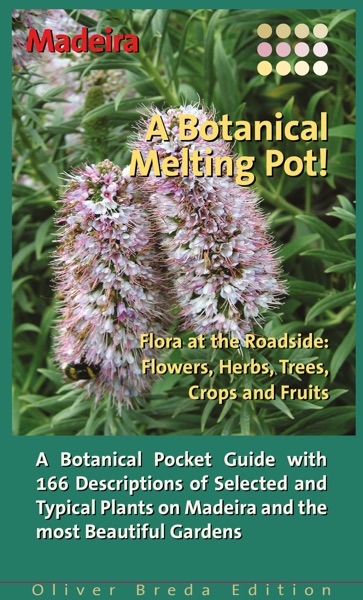
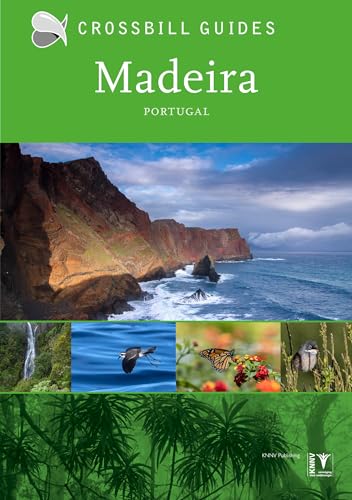
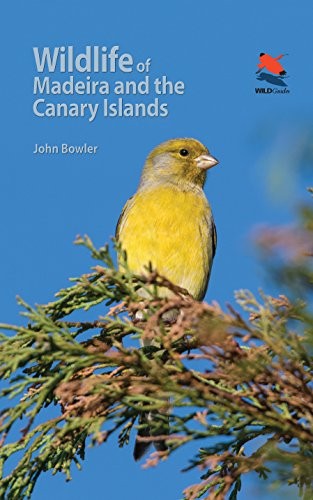
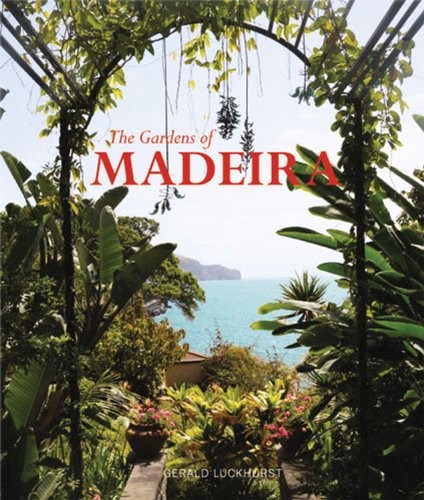
A field guide is most useful when you need to identify what you see. A garden book helps explain cultivated plants and designed spaces. A broader natural-history guide places habitats and species in context. Madeira has all three kinds of reading, and one volume rarely does each job equally well.
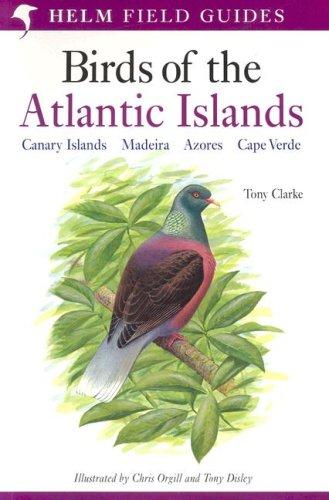
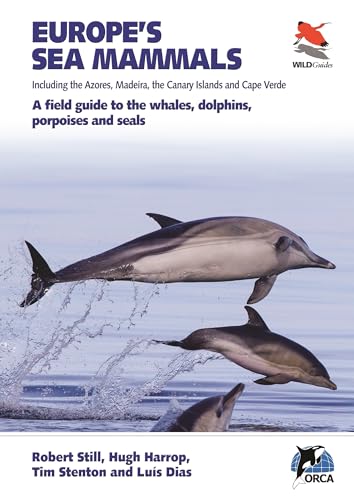
For a walking trip, think about where your attention will be: laurel forest, gardens, birds, or marine life. The seabird and sea-mammal books listed here cover regions beyond Madeira, which can be helpful for comparison but means only part of each volume is island-specific. A book focused on Madeira’s gardens will answer a different set of questions.
Madeira’s laurel forest is a UNESCO World Heritage site, which makes the distinction between wild forest species and garden ornamentals especially useful. Scientific names and conservation information can change. Use a book for background and identification, then check current local guidance for protected areas, access and wildlife viewing. Never assume a species mentioned in a book will be easy to see on a particular visit.
Before you choose
- Decide whether identification, garden history or ecology is your priority.
- Check if a regional field guide gives Madeira enough coverage for your needs.
- Use current local rules for access and wildlife viewing.
Reference: UNESCO: Laurisilva of Madeira ↗
These comparisons use the titles’ stated scope and edition details. They are selection guidance, not claims that we have personally tested every book.